How a Dentist Can Help With Sensitive, Bleeding Gums
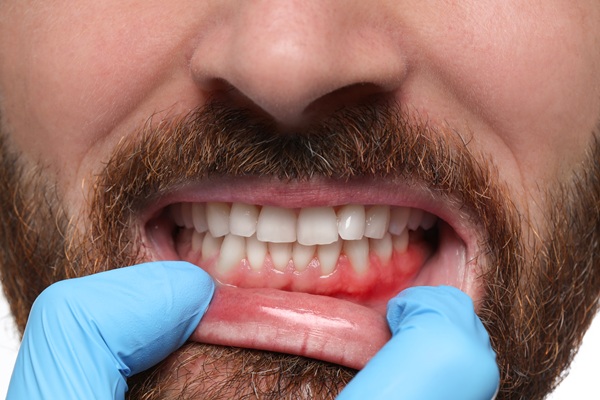
Have you been experiencing sensitive or bleeding gums? A trusted dentist can help diagnose and treat your soft tissues before minor irritation develops into long-term, serious oral health issues. If you are experiencing gum tenderness or bleeding while brushing, a professional evaluation can identify the underlying cause and effectively restore your gum health.
The cause of tender and bleeding gums
Bleeding gums signal that the body is fighting a bacterial infection in the mouth. When plaque sits along the gumline, it acts as a constant irritant to the soft tissues. Over time, this leads to swelling and sensitivity.
If the infection spreads, it can eventually cause the gums to pull away from the teeth, creating deep pockets where more bacteria hide. When left untreated, this cycle can lead to bone loss and loose teeth. Several factors can contribute to this sensitivity, such as:
- Accumulated plaque and tartar
- Frequent use of tobacco products
- Side effects from blood pressure or allergy medications
- Brushing too hard with a toothbrush
- A lack of nutrients like vitamin C or vitamin K
- Underlying health conditions that affect the healing process
Identifying these specific triggers allows the dentist to create an effective treatment plan and reduce the risk of long-term complications.
The importance of a professional diagnosis
A dentist looks beyond the surface of the teeth to assess the patient's oral health. The provider measures the space between the teeth and gums to check for hidden pockets of infection. In many cases, digital X-rays are necessary to determine whether the bone beneath is still strong and supportive.
This evaluation is not meant to be a lecture. Rather, it is a way to stop damage before it requires expensive surgery. Pinpointing the source of the problem is the only way to find a real solution that actually lasts.
Removing the source of the infection
Once the exam is over, the dentist shifts their focus to removing the source of the irritation. A professional cleaning reaches the spots that a standard toothbrush cannot reach. When plaque turns into tartar, it becomes like concrete on the surface of the teeth. Only specialized dental tools can vibrate it loose and clear it away.
For patients with more swelling or deeper periodontal pockets, a deep cleaning may be their best option. This is known as scaling and root planing. During a deep cleaning, the dentist smooths the root surfaces and eliminates bacteria from periodontal pockets, encouraging the gum tissue to heal and reattach to the teeth.
Ongoing care and personalized treatment
After evaluating the patient's gum health, a dentist may recommend specific treatments tailored to individual needs. These recommendations may include antimicrobial rinses, prescription toothpaste, or adjustments to brushing technique. In cases of advanced gum disease, the dentist may refer the patient to a periodontist for specialized care.
Education is also an important part of the patient's recovery. The dental team will teach them how to properly brush their teeth. In some cases of mild to moderate gingivitis, the dentist may provide a toothbrush with longer bristles to better target the deeper periodontal pockets. They will also demonstrate how to floss their teeth. The patient may need to return for more frequent cleanings in the future, as consistent monitoring ensures that their treatment plan remains effective and the inflammation does not return.
Prevent future gum issues with professional dental care
Are you dealing with sensitive and bleeding gums? Our dentistry team is here to help you find relief. Call our Brooklyn office today to schedule an appointment.
Request an appointment here: https://nybrooklyndental.com or call Nostrand Dental at (718) 513-9685 for an appointment in our Brooklyn office.
Check out what others are saying about our dental services on Yelp: Dentist in Brooklyn, NY.
Related Posts
Searching for a dentist near me often begins with convenience, but the range of services offered should be a top priority. A comprehensive dental practice not only addresses routine care but also provides advanced treatments to support long-term oral health. From preventive visits to restorative and cosmetic procedures, having access to the right services under…
General dentistry relies on X-rays to obtain valuable information. Without the use of this traditional imaging tool, dentists could overlook problems hiding beneath the teeth. Find out how X-rays uncover the whole story of your teeth and why they are important for treatment.Dentists need X-ray images for detecting problems not visible during oral exams. Typical…
Family dentist recommendations play an important role in helping patients recover comfortably after a tooth extraction. Although the procedure itself is routine, proper aftercare supports healing, reduces the risk of complications, and helps patients return to normal activities as quickly as possible. As a family dentist, providing clear recovery instructions helps protect the extraction site…
Clear aligners are becoming more and more popular as they offer advantages that traditional braces do not. Unlike braces, clear aligners are removable and cause less discomfort. However, they are a relatively new option, which means some people may still have some unfamiliarity with how things work. For example, clear aligners can be administered by…