Deep Teeth Cleanings: What They Are and What to Expect
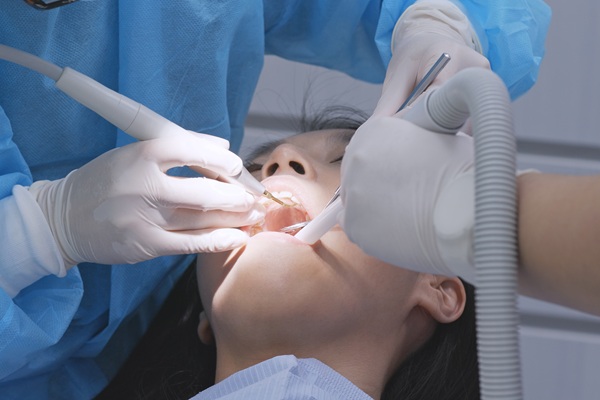
A deep teeth cleaning is a more intensive dental cleaning procedure that goes beyond the standard cleaning performed during regular dental visits. The treatment removes plaque, tartar, and bacteria from below the gum line, addressing issues or severe plaque buildup, which can lead to further oral health complications if left untreated.
Signs a deep teeth cleaning is necessary
Several signs may indicate the need for a deep teeth cleaning. One of the most common indicators is gum disease, or periodontal disease, which occurs when bacteria and plaque build up along the gumline. Gingivitis, the earliest stage of gum disease, often presents with symptoms like red, swollen gums that may bleed when brushing or flossing. If left untreated, gingivitis can progress to periodontitis, leading to deeper infection and damage to the supporting structures of the teeth.
When gum disease reaches the periodontitis stage, deep teeth cleaning may be necessary to prevent further damage and maintain oral health. In this case, the dentist will clean below the gumline to remove bacteria and tartar that have accumulated beneath the surface. The infection can worsen without this treatment, leading to gum recession, bone loss, and even tooth loss.
Other signs that may indicate the need for a deep teeth cleaning include persistent bad breath, also known as halitosis, or a foul taste in the mouth, which may result from bacteria trapped below the gumline. Additionally, if teeth feel loose or there is a noticeable change in the way the teeth fit together when biting, these could be symptoms of advanced gum disease that require professional treatment.
What to expect during a deep teeth cleaning
During deep teeth cleaning, the dentist or dental hygienist will use specialized tools to remove plaque and tartar from above and below the gum line. Unlike a standard cleaning, which focuses on the surfaces of the teeth, a deep teeth cleaning involves scaling and root planing.
Scaling involves using ultrasonic instruments or hand tools to remove tartar and plaque from the tooth surfaces and the areas beneath the gumline. Root planing is the process of smoothing the surfaces of the tooth roots to help the gums reattach and heal properly. In some cases, local anesthesia may be necessary to ensure comfort during the procedure, especially if there is significant gum recession or infection.
The deep cleaning process may take longer than a standard cleaning and could be completed over one or more appointments, depending on the extent of the gum disease and plaque buildup. After the procedure, patients may experience some discomfort, swelling, or bleeding, but these symptoms usually subside within a few days.
Why timely treatment is important
If left untreated, gum disease and the need for a deep teeth cleaning can lead to serious oral health complications, including tooth loss. By addressing the issue early on, patients can prevent the progression of gum disease and avoid more invasive treatments in the future. Regular dental checkups and cleaning help detect early signs of gum disease, allowing for timely intervention and preventing more severe problems.
Schedule an appointment
A deep teeth cleaning is an essential treatment for patients dealing with gum disease, severe plaque buildup, or other oral health issues that you or a dentist cannot reverse with routine cleaning. Do you believe you can benefit from a deep dental cleaning? Contact our office today to schedule an appointment.
Request an appointment here: https://nybrooklyndental.com or call Nostrand Dental at (718) 513-9685 for an appointment in our Brooklyn office.
Check out what others are saying about our dental services on Yelp: Root Scaling and Planing in Brooklyn, NY.
Related Posts
A deep dental cleaning is a great way to improve your periodontal health, particularly for patients who have periodontitis (an advanced form of gum disease). The following is a review of when a deep dental cleaning (also called a scaling and root planing) might be recommended. The most notable signs that indicate a need for deep…
It is easy to assume all gum disease is the result of poor oral hygiene. In many cases, it is. However, red or swollen gums can also be an indication of other health concerns completely unrelated to oral care. Because these conditions can be serious, it is important to pay attention to any changes or…
Laser dentistry is a relatively young concept that can target diseased soft tissue and improve the health of gums, jawbone, and more. Dental lasers are approved by the Food and Drug Administration (FDA), and the risks of the procedure are minimal. Subsequently, dentists often recommend laser dentistry for deep dental cleaning procedures. A routine dental cleaning…
If you are unhappy with the way your teeth look, there are several things a dentist can do to help you with a smile makeover. Cosmetic dental treatments can be simple or complex. They may be completed in a single appointment or throughout a few visits.Teeth whitening is the most popular restoration option available by…